Setting guide · 02
River Dining Traditions
A river is never just a restaurant backdrop. It is also a route to work, an edge of home, a commercial corridor and a place with its own daily rhythms.
Regional context · Not a claim of timeless tradition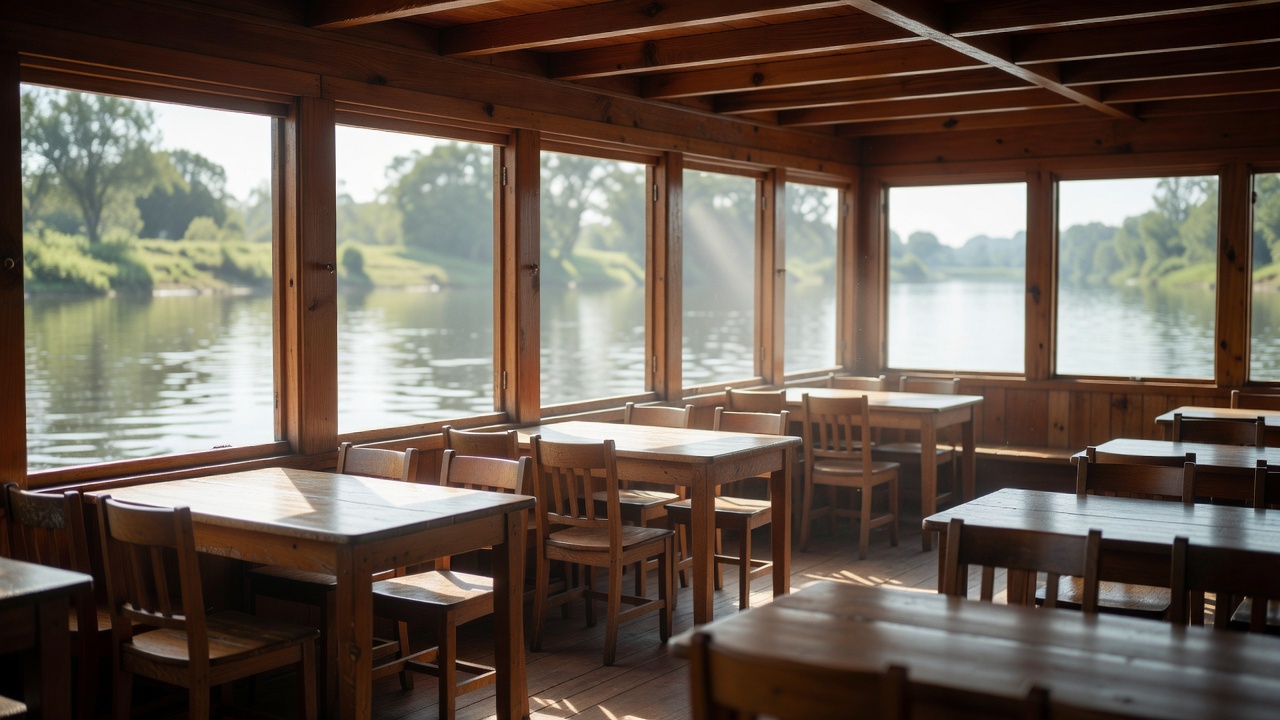
The phrase “river dining tradition” needs care. Some meals on boats grow out of long-established patterns of transport and hospitality. Others are contemporary tourism products using a celebrated waterway as their setting. A dinner cruise can be enjoyable without being an unchanged local custom, and a familiar regional dish does not make every detail of a visitor experience traditional.
Read the river at more than one scale. Notice the vessel and the food, but also the ferries passing nearby, the banks being used for work and the communities whose routines continue around the excursion. This wider attention helps prevent the waterway from becoming an empty stage for a visitor’s evening.
Bangkok · Chao Phraya
A scheduled river evening
Chao Phraya Princess is a named example of Bangkok’s dinner-cruise sector. The river setting combines urban landmarks with an active transport corridor; it is not a private stretch of water reserved for dining.
Check the operator’s actual programme rather than assuming a quiet, small-boat experience. Departure piers, dining formats and entertainment arrangements are operational details, not fixed characteristics of the river.
Operator source: Chao Phraya Princess →Kerala · Backwaters
A meal within a boat stay
Kerala Tourism describes houseboats associated with the region’s kettuvallam heritage. On a houseboat trip, meals may be part of a broader stay or excursion rather than a stand-alone restaurant service.
That distinction matters: a vessel offering meals to its passengers is not necessarily open to diners arriving independently. Ask the individual operator what the booking includes.
Destination source: Kerala Tourism →Kerala: hospitality within a lived landscape
The backwaters are a network of waterways and settlements, not a single enclosed attraction. A houseboat meal can bring the surrounding landscape close, but visitors should avoid treating waterside homes or people at work as part of a performance. Ask before photographing identifiable people, keep sound considerate and follow the crew’s directions about where passengers may step ashore.
Food arrangements deserve a direct conversation. Ask what is prepared aboard, whether dietary requirements can be accommodated and how drinking water is supplied. A photograph of a generous meal says little about ingredient substitutions or cross-contact procedures. If an allergy could be serious, communicate it clearly before making a commitment and assess the operator’s response for your own needs.
Environmental questions are equally practical. Ask about wastewater handling and rubbish management rather than assuming that a small boat has a small impact. Do not throw food scraps into the water or describe feeding wildlife as harmless without local guidance. A slow journey can still place pressure on a sensitive setting.
Budapest: staying beside the Danube
Spoon is a moored restaurant boat in Budapest, offering a different relationship to the Danube from a cruising dinner. The appeal is partly the ability to remain in one river position while the wider city carries on around the vessel. Its format illustrates why “boat restaurant” and “river cruise” should never be used as interchangeable booking terms.
A moored venue may suit someone who wants a restaurant meal without a scheduled journey. It does not remove every water-related consideration: boarding access and movement from surrounding river activity can still matter. Consult the operator’s current information about the dining spaces, service and access rather than relying on a general description of the vessel.
Ho Chi Minh City: a river-facing metropolis
Saigon Princess is an example of a dining-cruise operator on the Saigon River. The city’s waterfront gives a contemporary urban context to the experience. It is more useful to describe the particular operator’s offering than to suggest that a single cruise represents the whole food culture of the city.
Check where passengers assemble, when boarding closes and how the return works. A service’s advertised dining duration may not describe the full period you need to keep free. Allow for the journey to the pier and for any instructions about arrival before departure. Use the operator’s current terms for any route or weather-related changes.
What respectful river dining looks like
Begin by asking what kind of experience is actually offered: transport with a meal, a sightseeing cruise with food, a moored restaurant or hospitality within an overnight stay. Those formats have different commitments, and comparing them only by a menu price can be misleading.
Then consider the people who make the meal possible. Follow instructions from crew and staff, keep boarding routes clear and do not enter working areas to get a photograph. If the waterway is busy, that activity is not necessarily an interruption to the experience. It may be the most revealing reminder that the river belongs to a city or region, not just to its visitors.